The Rise of Tabletop Games: Exploring the Trend of Hoppg
Introduction to Tabletop Games
Tabletop games have been a significant part of human culture for centuries, providing both entertainment and a means of social interaction. These games, played on a flat surface like a board or a table, include a wide variety of categories such as board games, card games, and role-playing games. Recently, there has been a remarkable resurgence in the popularity of these games, particularly with the emergence of a new genre known as 'hoppg.' This article delves into the fascinating world of tabletop games, focusing on the intriguing developments that define 'hoppg.'
A Brief History of Tabletop Games
The history of tabletop games dates back to ancient civilizations. Games like Senet in ancient Egypt and Go in China have been around for thousands of years. However, the modern era of tabletop gaming began in the 20th century with the creation of games like Monopoly and Scrabble. These games paved the way for a surge in board game creativity, leading to a wide array of thematic games that we see today.
The Emergence of Hoppg
In recent years, a trend known as 'hoppg' has taken the gaming world by storm. This genre, while still somewhat enigmatic, represents a fusion of hands-on participation and strategic gameplay. Hoppg emphasizes the importance of physical interaction, requiring players to get directly involved in the game mechanics, often using tactile components that enhance the overall experience.
Characteristics of Hoppg Games
Hoppg games are defined by several key characteristics that set them apart from traditional board games:
- Interactivity: These games stress physical participation, often involving unique game pieces or custom boards that require players to engage with the game environment directly.
- Collaboration and Strategy: While many board games focus on competition, hoppg games often require a balance of collaboration and strategy. Players might work together towards a common goal while devising individual tactics to succeed.
- Immersive Storytelling: Many hoppg games integrate detailed storylines and narratives, allowing players to immerse themselves in a fictional world. This narrative-driven approach enhances the gaming experience, making it more engaging and memorable.
Popular Hoppg Titles
The rise of hoppg has led to the creation of several popular titles that have captivated gamers worldwide. Here are a few noteworthy examples:
- Quest for Glory: A cooperative game where players assume the roles of adventurers embarking on a quest to save their kingdom. The game emphasizes teamwork and strategic decisions, making it a favorite among those who enjoy working together to overcome challenges.
- Castle Builders: A competitive game where players compete to construct the most impressive castle. Utilizing various resources, players must strategize to outwit their opponents and emerge victorious.
- Chronicles of Destiny: This narrative-driven game takes players on an epic journey through a mythical realm. With its rich storytelling and immersive gameplay, it offers a deeply engaging experience for those who love fantasy and adventure.
The Appeal of Tabletop Games
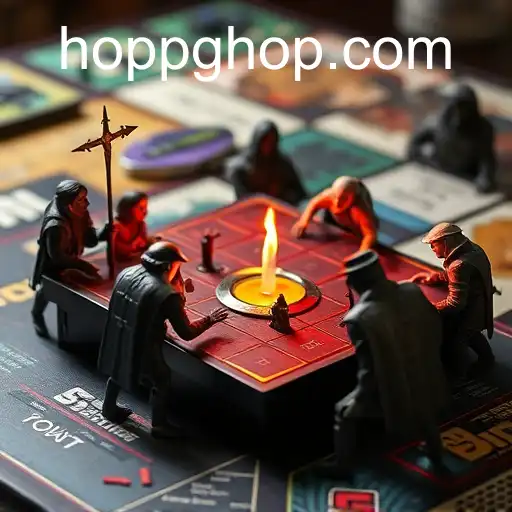
The popularity of tabletop games, particularly within the hoppg genre, can be attributed to several factors. The tactile nature of these games provides a refreshing change from the digital experiences that dominate today's entertainment landscape. Players appreciate the physicality of handling game pieces, rolling dice, and drawing cards, which brings a tangible aspect to gaming that digital formats cannot replicate.
Moreover, tabletop games offer an opportunity for social interaction, something that has become increasingly important in today's digital age. Gathering with friends or family to play a board game fosters a sense of community and connection, creating lasting memories that digital experiences often lack.
Future of Hoppg and Tabletop Games
As the interest in tabletop games continues to grow, the future looks promising for the hoppg genre. Game designers are constantly experimenting with new ideas, creating innovative gameplay mechanics and exploring diverse themes. With the support of dedicated communities and platforms that promote indie games, we can expect to see even more creative and captivating tabletop experiences in the years to come.
Conclusion
The resurgence of tabletop games and the emergence of hoppg highlight a broader seeking for genuine, interactive experiences. As players immerse themselves in these worlds of strategy, cooperation, and storytelling, the allure of tabletop gaming continues to resonate. Whether one is a seasoned gamer or a newcomer to the scene, the world of tabletop games, with its ever-evolving landscape, offers an inviting and engaging experience that is sure to captivate players for generations to come.